Navigating Notification Rhythms: How Timed Alerts Steer Jackpot Pursuits and Promotional Plays in Mobile Sports and Casino Setups
Written by Wendy Baumann · Nov 23, 2026
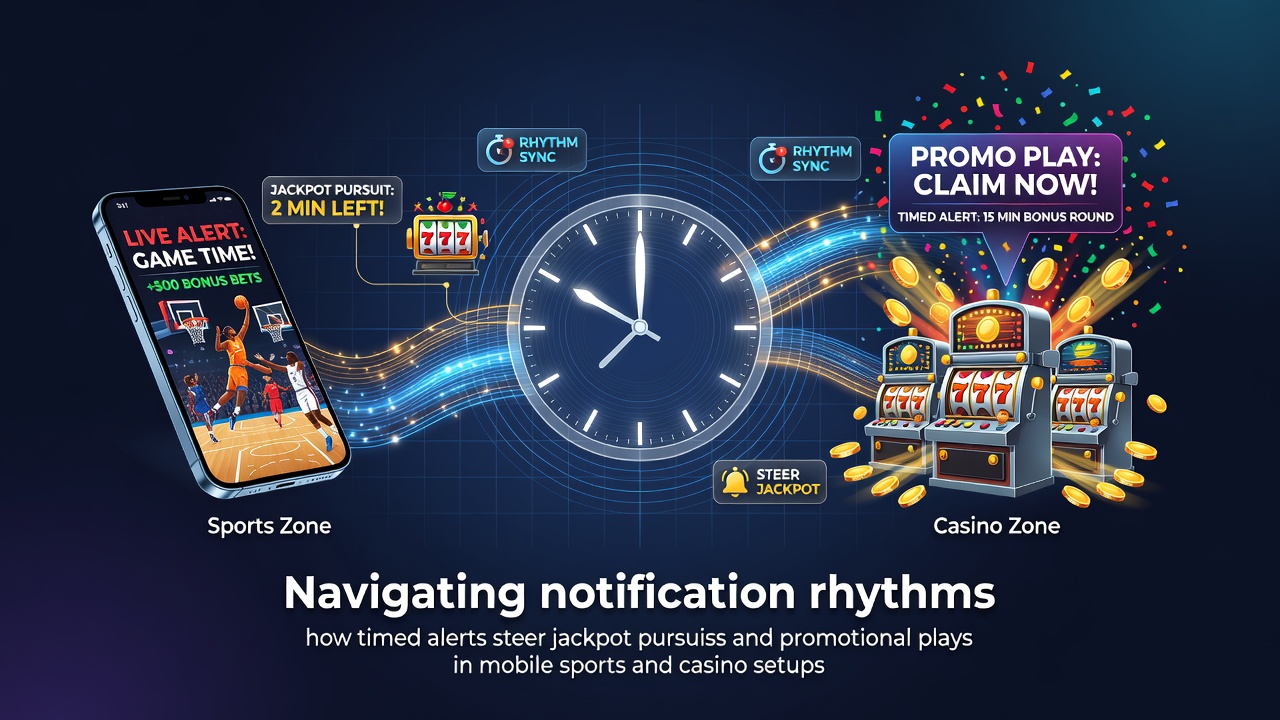
Navigating Notification Rhythms: How Timed Alerts Steer Jackpot Pursuits and Promotional Plays in Mobile Sports and Casino Setups
Timed alerts in mobile sports betting and casino applications coordinate user activity with specific promotional windows and jackpot cycles through precise scheduling mechanisms. Developers design these systems to trigger based on user login patterns, deposit history, and event timing data that operators collect across platforms. Research from industry monitoring groups shows that notification frequency often aligns with peak engagement periods such as evening hours in major time zones or immediately following major sports fixtures.
Mechanics Behind Alert Timing
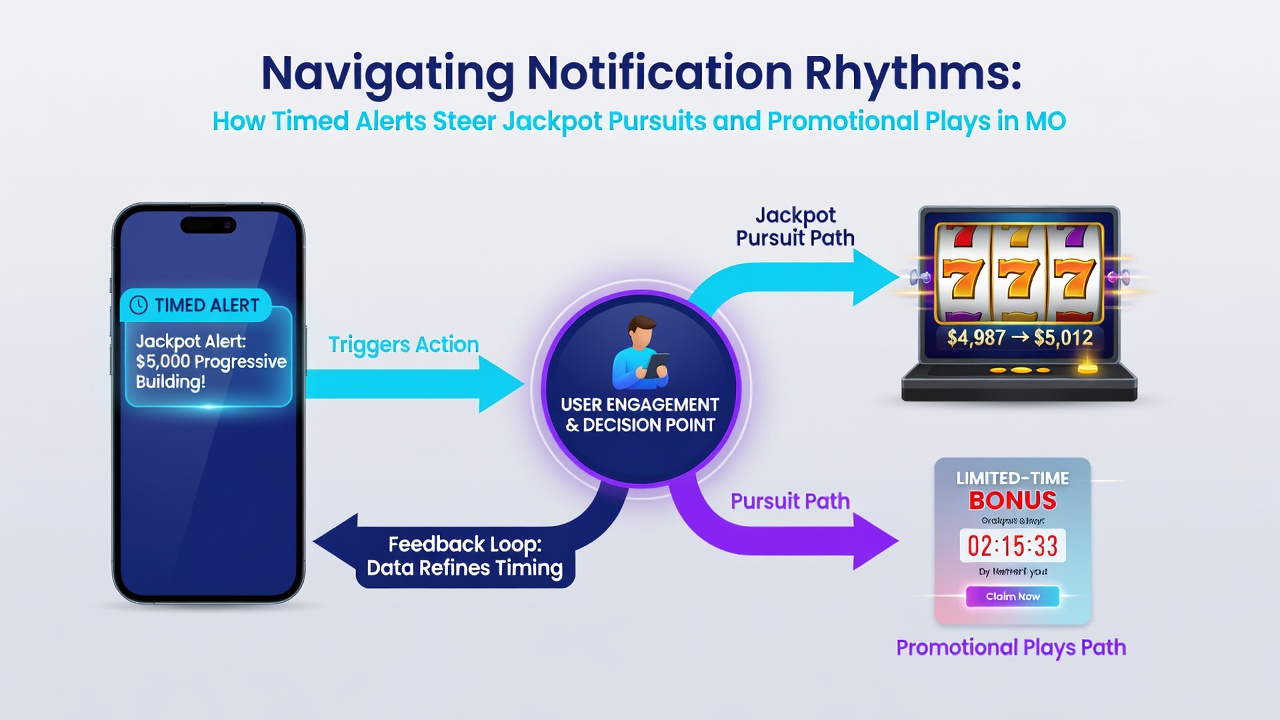
App developers integrate backend algorithms that analyze transaction logs and session durations to determine when a notification will reach the highest response rate. These systems track variables including recent jackpot contributions, ongoing tournament brackets, and remaining promotional balances before dispatching messages. Data indicates that alerts sent within fifteen minutes of a jackpot threshold crossing generate elevated interaction levels compared to those distributed at random intervals. Operators in regions such as Nevada and parts of the European Union apply these patterns to maintain consistent participation without overwhelming device storage or battery resources.
Influence on Jackpot Pursuit Patterns
Jackpot networks in progressive slot environments rely on synchronized alerts to inform users when contribution meters approach payout triggers. Mobile platforms transmit these updates through push channels that include current meter values alongside estimated time remaining until the next potential trigger. Observers note that users who receive alerts during active promotional periods show higher rates of continued play sessions, particularly when the notification references both the jackpot amount and any concurrent multiplier bonuses. Studies conducted by academic research teams in Canada have documented correlations between alert cadence and deposit timing, where intervals of two to four hours between messages correspond with sustained engagement across multiple days.
Promotional Play Coordination
Time-limited offers such as deposit matches or free spin allocations activate through alerts that specify exact start and end windows. These messages often incorporate countdown elements that direct attention to remaining eligibility periods for combined sports wagers and casino reel progressions. Platforms operating in Australia and several U.S. states report that promotional redemption rates increase when notifications arrive during commute windows or lunch breaks, periods when users frequently check devices. The coordination extends to live event betting, where alerts about in-game prop opportunities arrive alongside casino bonus reminders to create cross-category play sequences within a single session.
Regional Variations in Notification Strategies
Regulatory frameworks shape how operators deploy timed alerts across different jurisdictions. In New Jersey, for instance, licensing conditions require clear opt-out mechanisms within every promotional message, which influences the overall rhythm operators establish. Australian state regulators impose similar transparency rules that affect message content and delivery frequency. Meanwhile, operators in Malta-based markets adjust alert schedules to account for multiple European time zones, resulting in staggered distribution that avoids overlap during early morning hours. These regional differences produce distinct engagement profiles, with data from the American Gaming Association showing higher response consistency in markets where alerts respect local gaming hour restrictions.
Integration with Broader Platform Ecosystems
Notification systems connect directly to banking modules and loyalty tracking tools, allowing alerts to reference both pending jackpot contributions and available reward points. This integration enables messages that combine information about a nearing slot network payout with a reminder about an expiring sports betting credit. Those who have examined transaction datasets across synchronized apps find that users receiving multi-feature alerts complete more deposit actions within the same hour compared to single-topic notifications. Platform analytics further reveal that November 2026 periods, coinciding with holiday travel schedules in North America, produced measurable shifts in alert response times as users accessed apps during varied daily routines.
Technical Considerations in Alert Delivery
Developers optimize delivery through A/B testing frameworks that compare response metrics across different send times and content formats. Variables under examination include emoji usage, personalization depth, and urgency phrasing that references specific jackpot values or promotional deadlines. Reports compiled by the European Gaming and Betting Association document testing protocols that measure click-through rates against session length extensions following alert receipt. Battery and data usage constraints also factor into scheduling decisions, prompting some operators to batch non-urgent messages during Wi-Fi connection periods detected by device sensors.
Conclusion
Timed alerts function as core navigational tools within mobile sports and casino environments by aligning user attention with jackpot accumulation phases and promotional availability windows. Their effectiveness stems from integration with transaction data, regional compliance requirements, and cross-platform feature coordination. As operators refine these systems through ongoing analytics, the patterns of user response continue to inform future scheduling adjustments across global markets.